How to Build a Personal Portfolio Website as a Student: Step-by-Step Guide
A simple step-by-step guide to creating a professional portfolio website that showcases your skills, projects, education, and achievements

Why Should Students Build a Portfolio Website?
A portfolio website is a valuable tool for students who want to create a strong professional identity from an early stage of their career. It gives students a place to showcase their skills, academic projects, certifications, achievements, and other work that may not fit into a traditional resume. A well-designed portfolio can help students demonstrate their practical abilities to recruiters, internship providers, and potential clients. It also allows them to share their learning journey and highlight areas in which they are developing expertise. By maintaining a professional online presence, students can increase their visibility, build confidence, and create opportunities for internships, jobs, freelance work, and professional connections. Most importantly, a portfolio can grow with the student as they gain new knowledge, complete more projects, and develop their career.
Showcase Skills
Highlight your skills and abilities in one place.
Display Projects
Show your best projects and practical work.
Build Your Brand
Create a strong professional identity online.
Steps to Build a Personal Portfolio Website
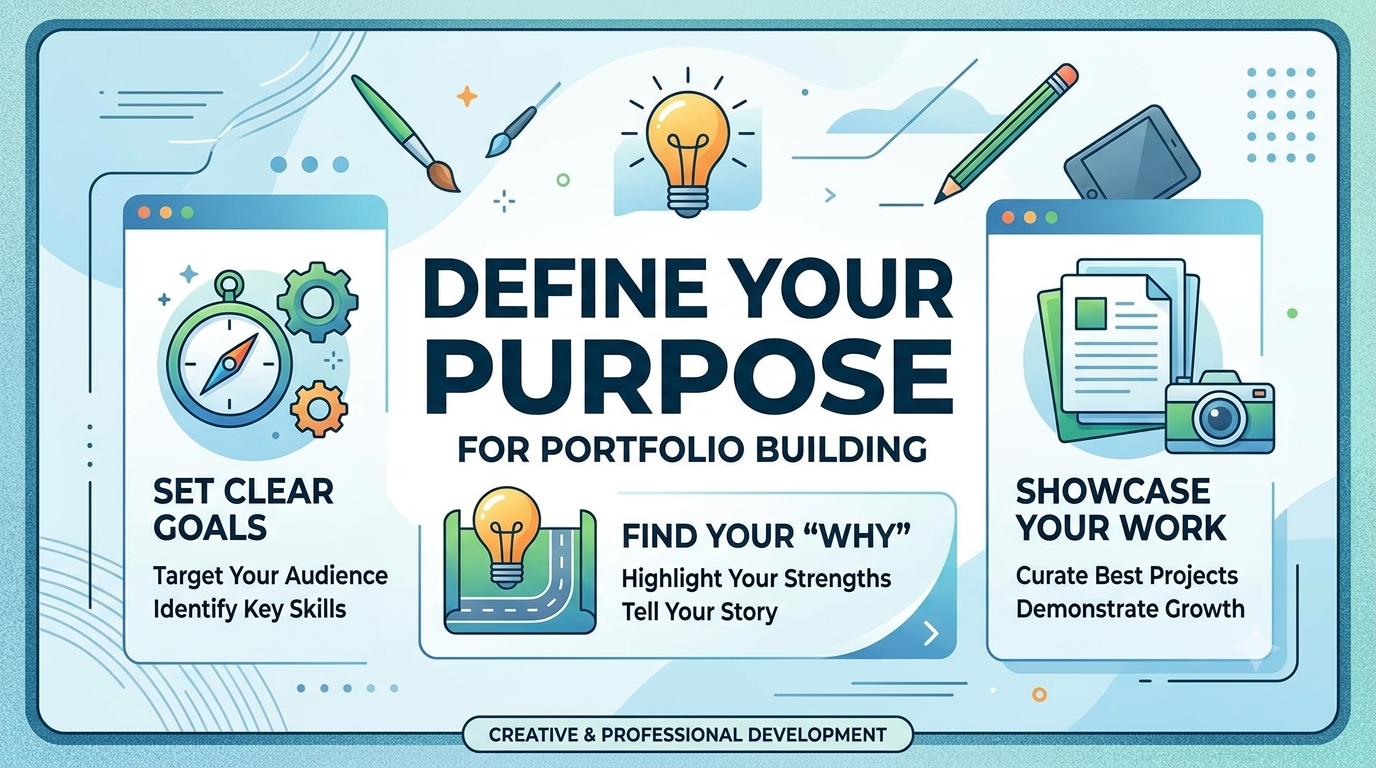
Define Your Purpose
Before creating your portfolio website, decide what you want it to achieve. Your goal could be finding an internship, getting a job, attracting freelance work, or simply showcasing your skills and projects. A clear purpose will help you choose the right content and design.
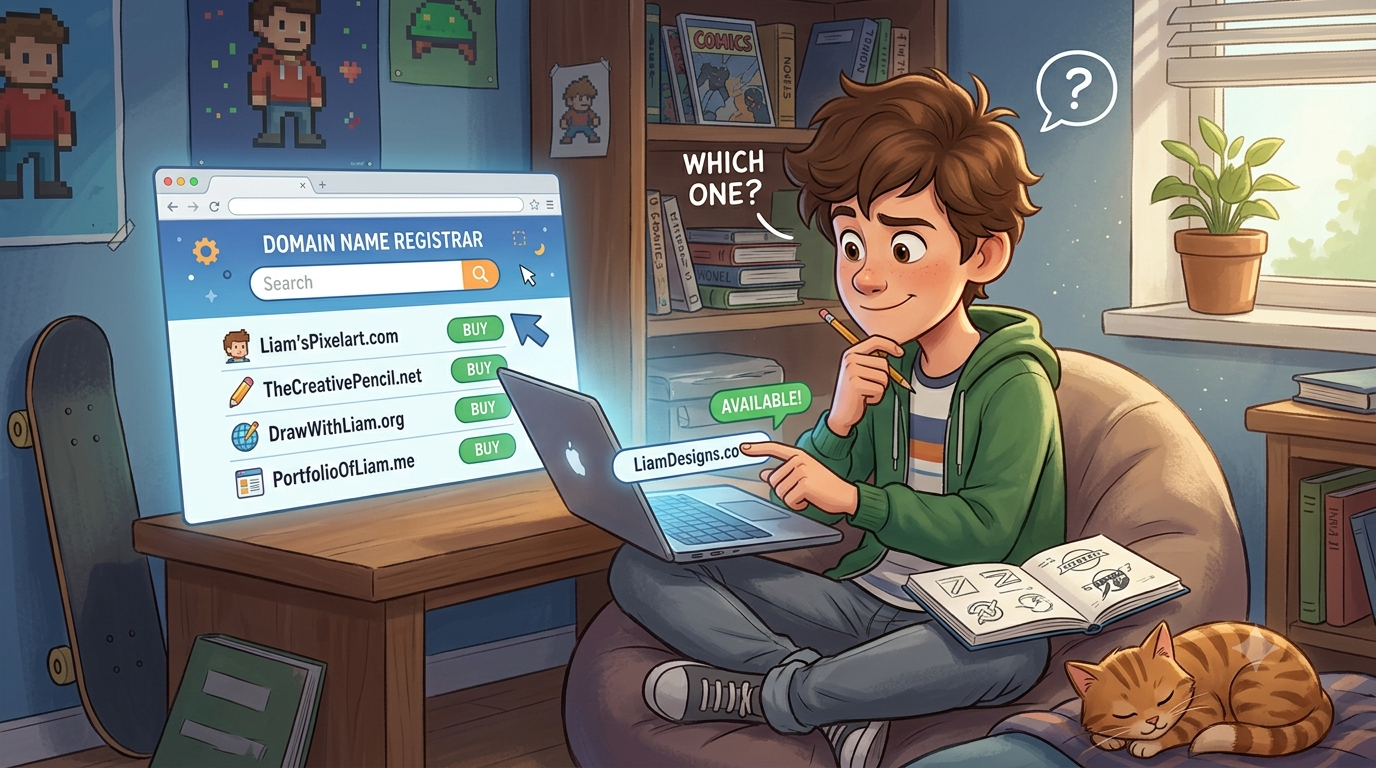
Choose a Domain Name
Choose a domain name that is simple, professional, and easy to remember. Using your own name can be a good choice because it helps build your personal brand and makes your website easier to identify.
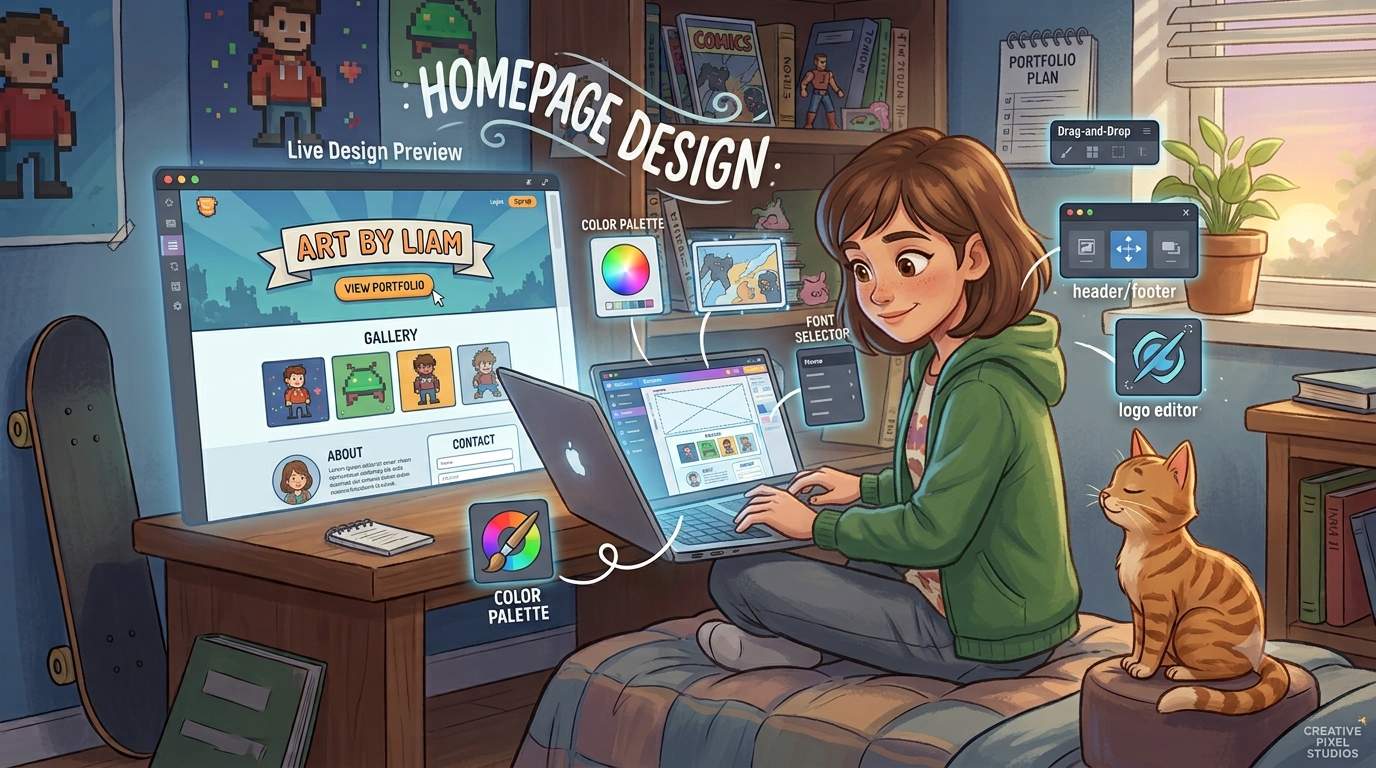
Design Your Homepage
Your homepage creates the first impression of your portfolio. It should clearly introduce who you are, what you do, and what you are interested in. Keep the design clean, professional, and easy to navigate.
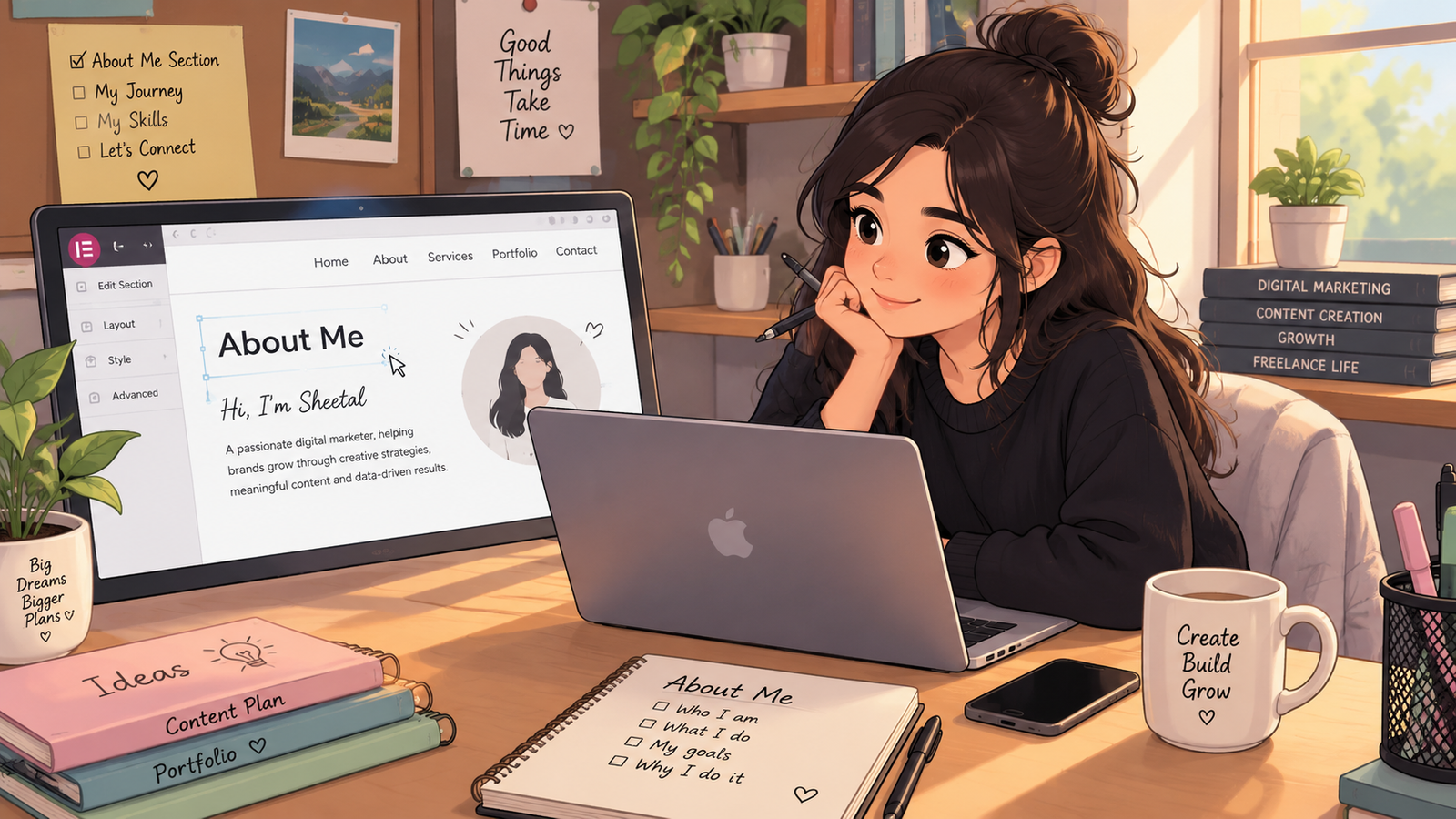
Create an About Me Section
The About Me section gives visitors a quick introduction to your background. Include information about your education, interests, skills, career goals, and areas you are currently learning. Keep the content genuine and easy to understand.
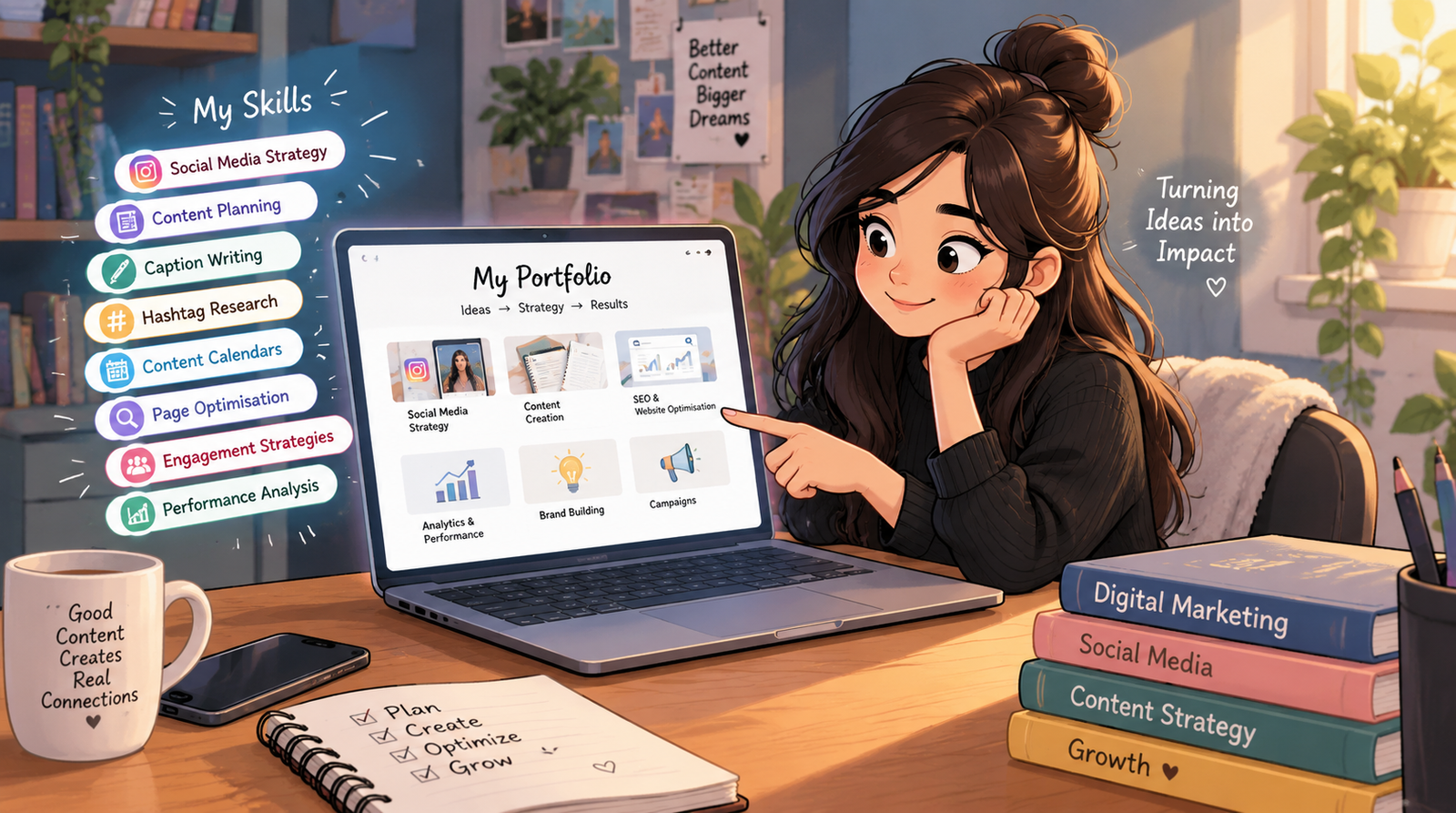
Showcase Your Skills
Create a dedicated section to display your technical and soft skills. You can include skills related to your course, projects, internships, or career interests. Mention skills that you actually know or are currently developing.
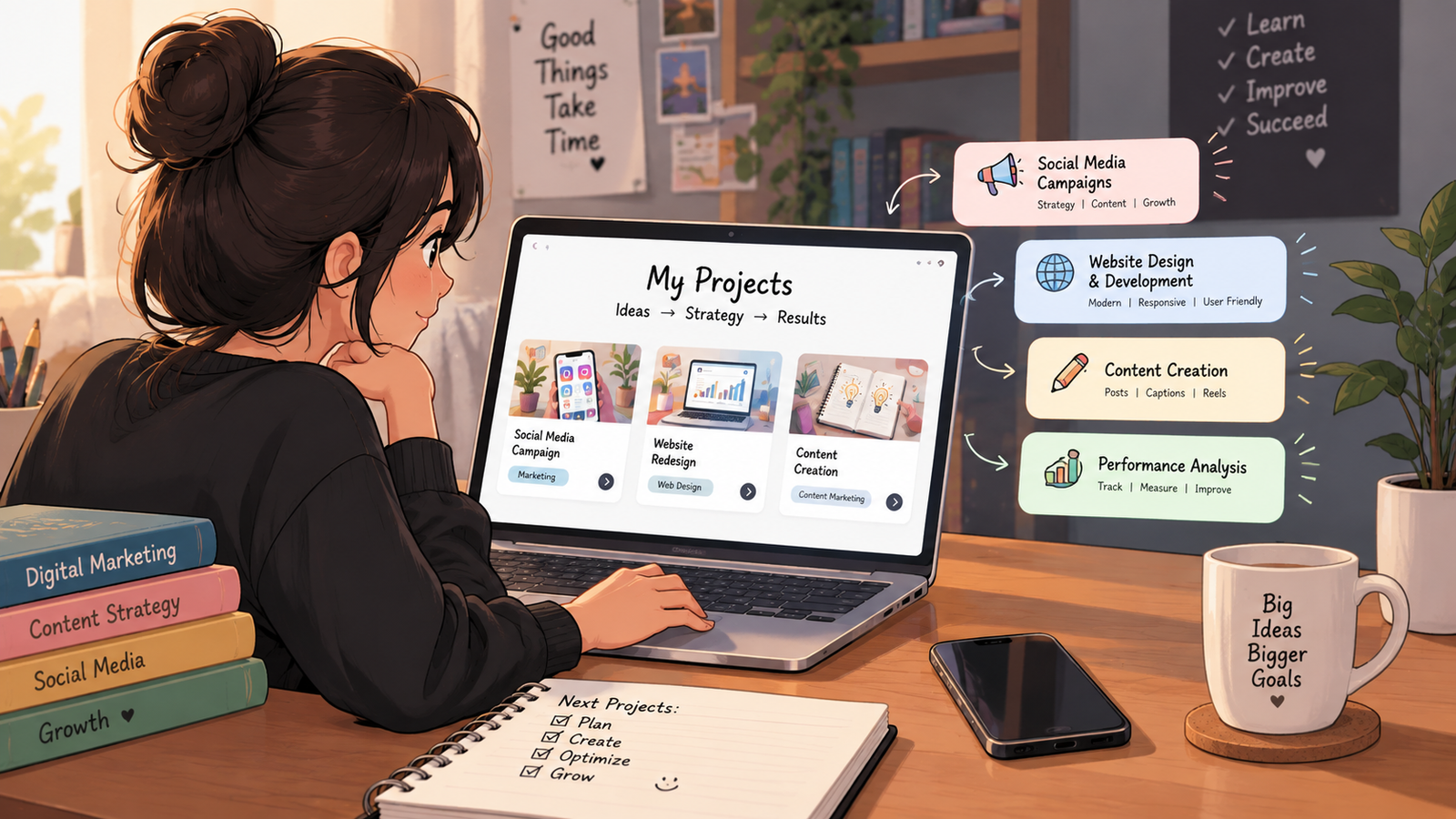
Add Your Projects
Projects help demonstrate your practical knowledge and abilities. Add academic, personal, internship, or freelance projects to your portfolio. Briefly explain the purpose of each project, the tools you used, your role, and what you learned.
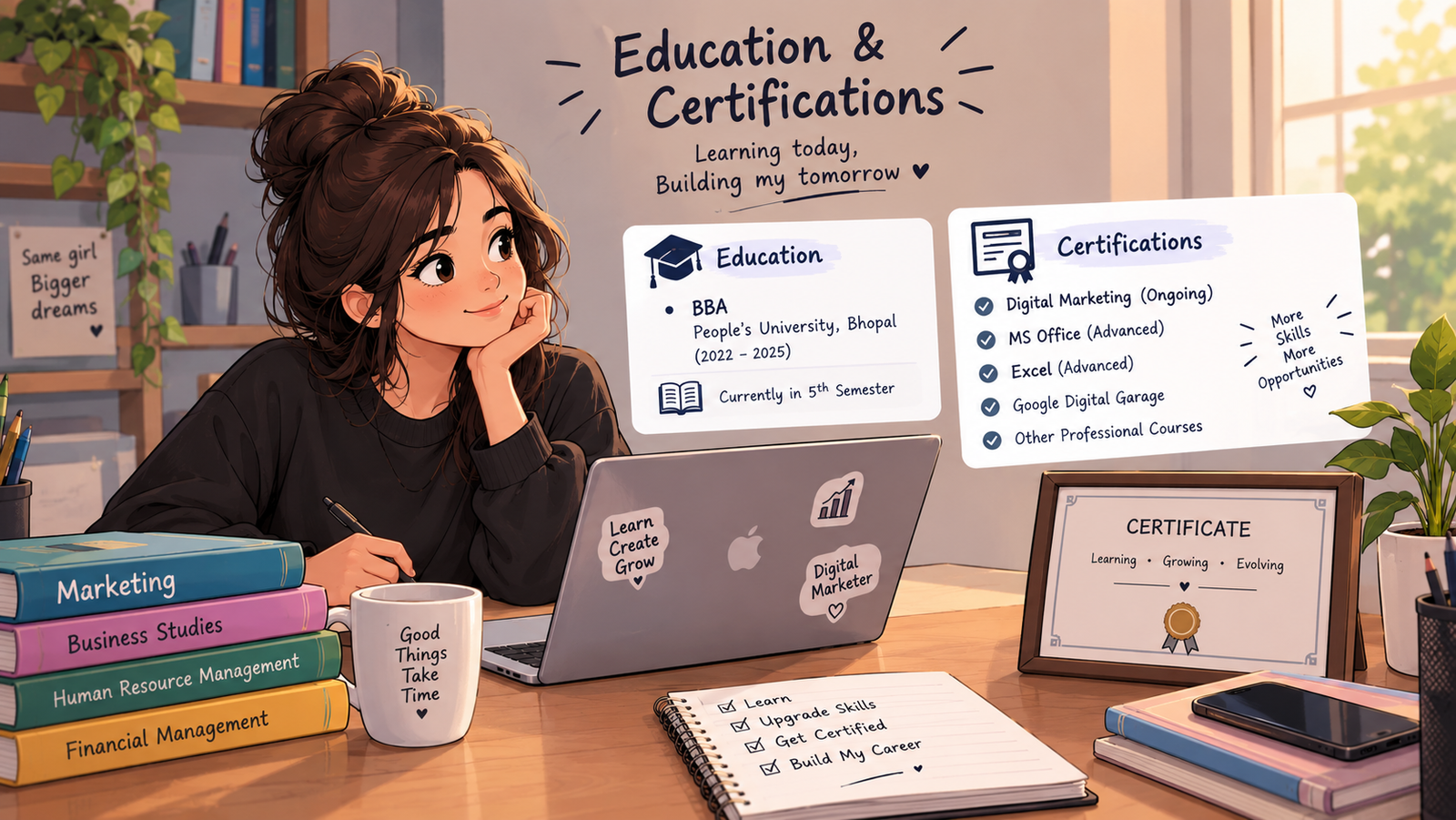
Add Education & Certifications
Show your educational background and relevant certifications in a clear format. Mention your course, college or university, and expected graduation year. Adding relevant certificates can also demonstrate your interest in continuous learning.
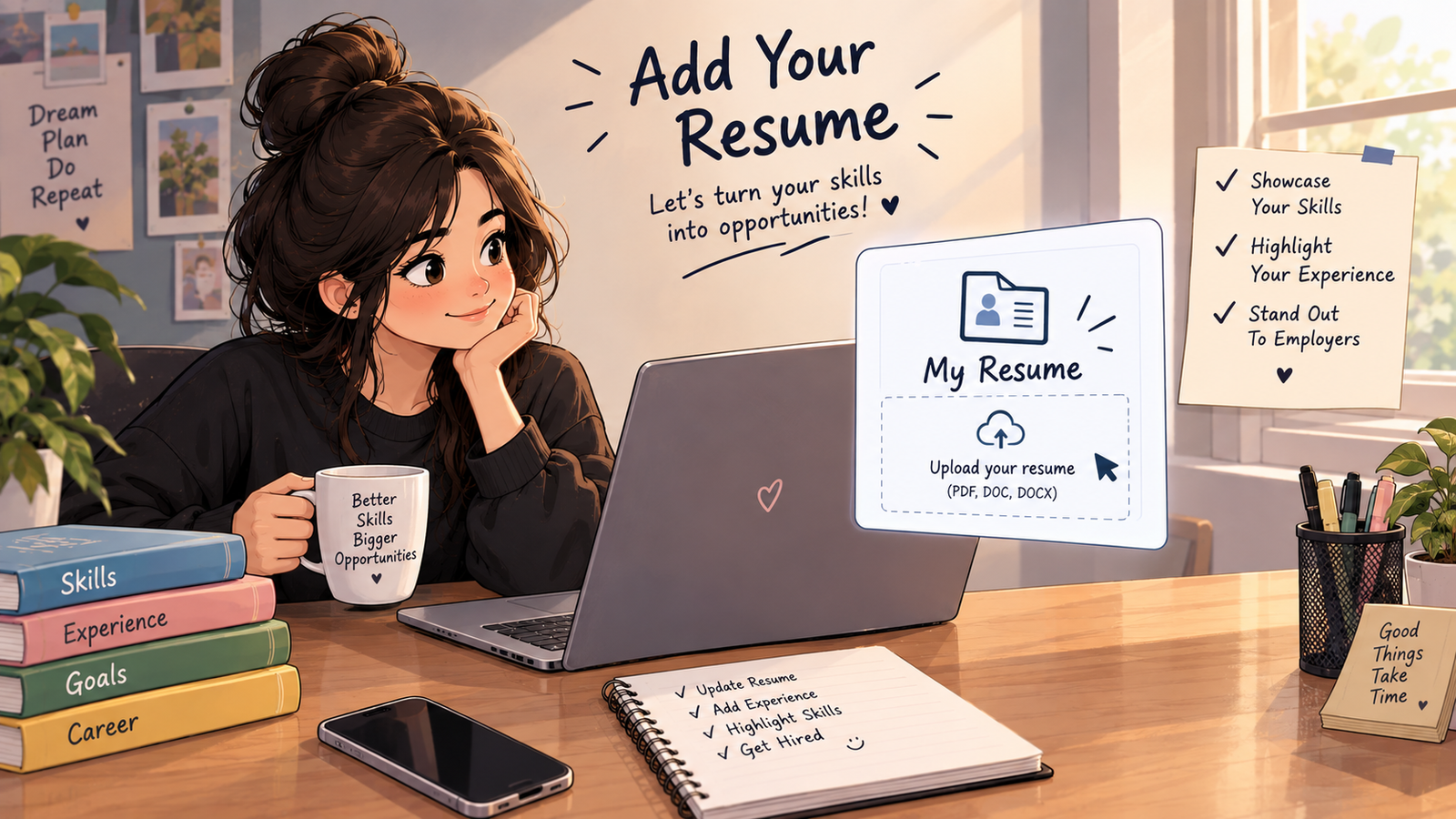
Add Your Resume
Adding a resume allows visitors to learn more about your qualifications and experience. Keep your resume updated with your latest education, skills, projects, internships, certifications, and achievements. Provide an easy-to-find option to view or download it.
Add Contact Information
Make it simple for recruiters, clients, or other professionals to contact you. You can include your professional email, LinkedIn profile, and a contact form. Avoid sharing unnecessary personal information on a public website.
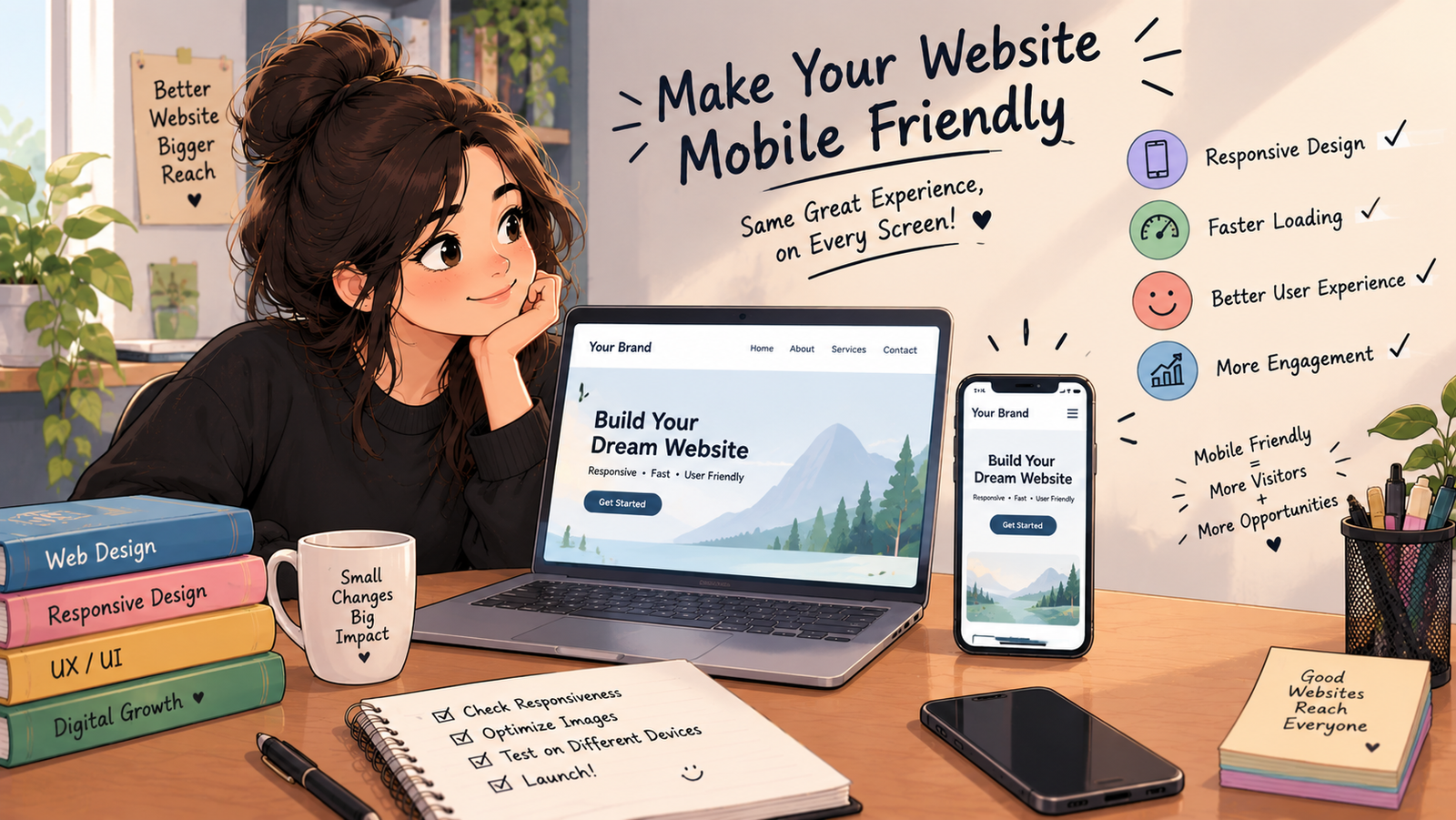
Make Your Website Mobile-Friendly
Your portfolio should work properly on smartphones, tablets, and computers. Check the text size, images, buttons, menus, and spacing on different screen sizes. A responsive website provides a better experience for visitors.
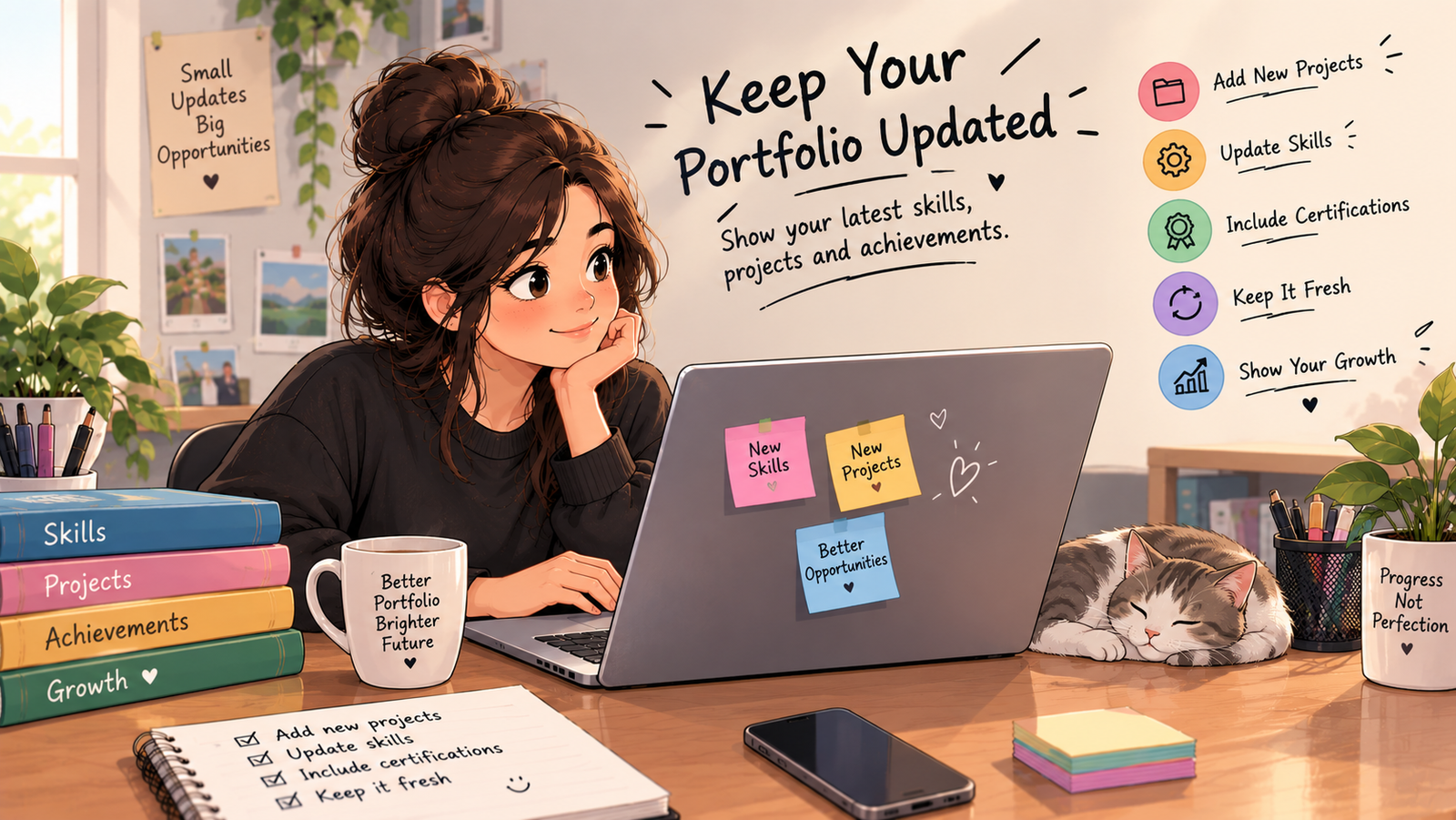
Keep Your Portfolio Updated
Your portfolio should grow as you learn and gain experience. Regularly add new projects, skills, certificates, achievements, and experiences. Remove outdated information when necessary so your website always represents your current abilities.
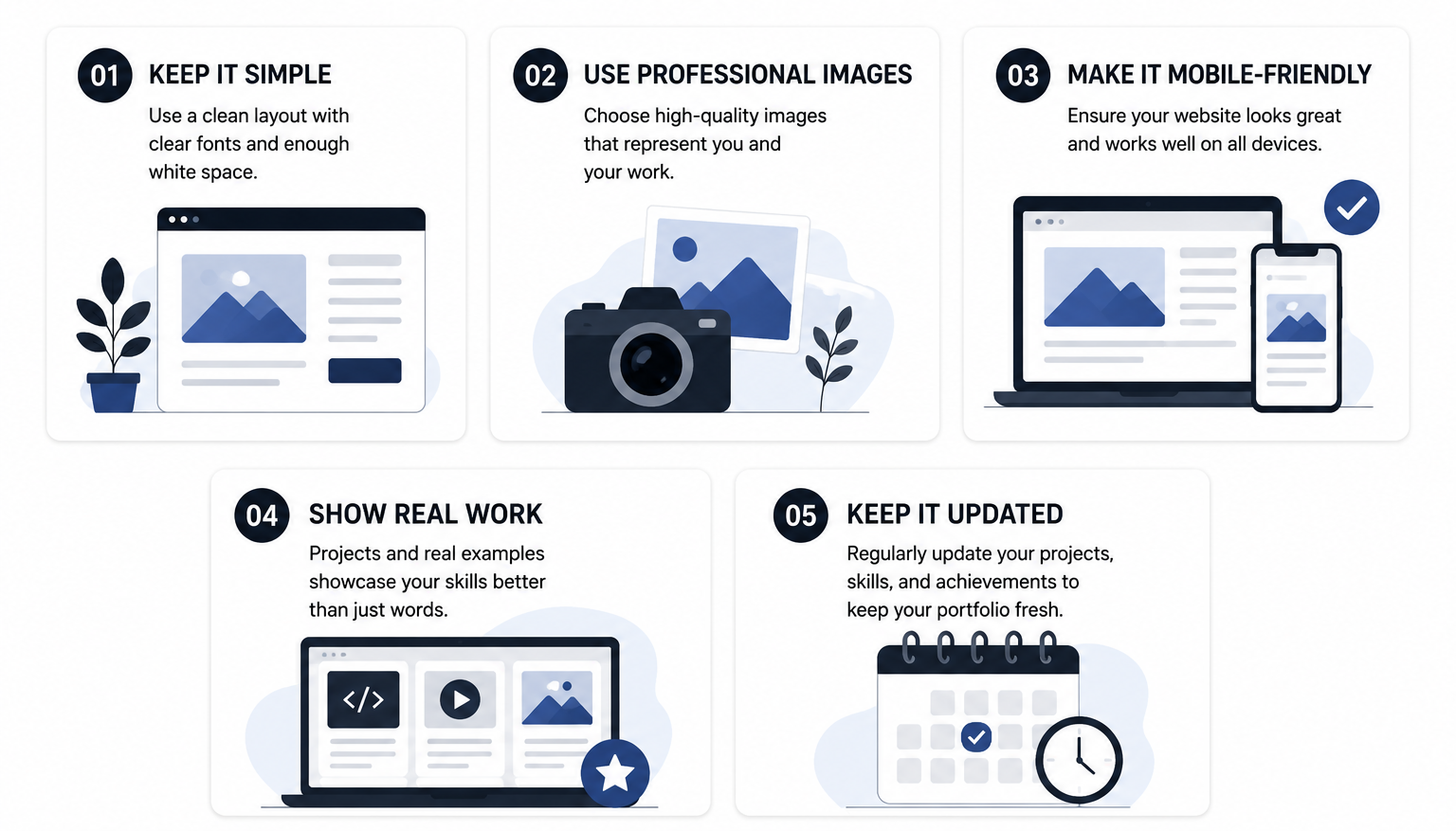
Tips for Creating a Professional Portfolio
Start Building Your Portfolio Today
A personal portfolio website can help students showcase their abilities, build a professional identity, and create new career opportunities. You don't need to have years of experience to get started. Begin with your education, skills, projects, and achievements, and continue improving your portfolio as you grow.